
Kiwi Ears has been a consistently impressive brand since day one and while they are more known to produce high quality in-ear monitors, the Kiwi Ears Division, a closed back headphones released late 2024, takes aim at the ultra-budget headphone segment. Priced at below USD50, the Division may look simple, but it’s already earned rave reviews for its surprising sound quality and decent build. Today, we’re diving into the rarely explored world of ultra-budget audiophile headphones, a space the Division boldly enters. Does such a small price tag hurt performance? Let’s find out.
Rosie from Kiwi Ears has kindly sent a pair for honest evaluation and our thanks to them for the trust. So, how does the Kiwi Ears Division perform? Let’s find out.
No monetary transactions or affiliation is garnered for this review for an honest take on these headphones. Review is done solely by personal opinion.
Functions & Specifications
Before we start the review, here are the specifications of the Kiwi Ears Division;
- Driver Unit: 40mm Composite Diaphragm
- Impedance: 32 Ohm
- Sensitivity: 98dB+/-3dB
- Frequency Response: 20Hz to 20KHz
- Plug: 3.5mm+6.35mm(1/4 inch) adaptor /3.5mm
The Kiwi Ears Division can be purchased at their website and many other platforms worldwide.
Packaging & Accessories
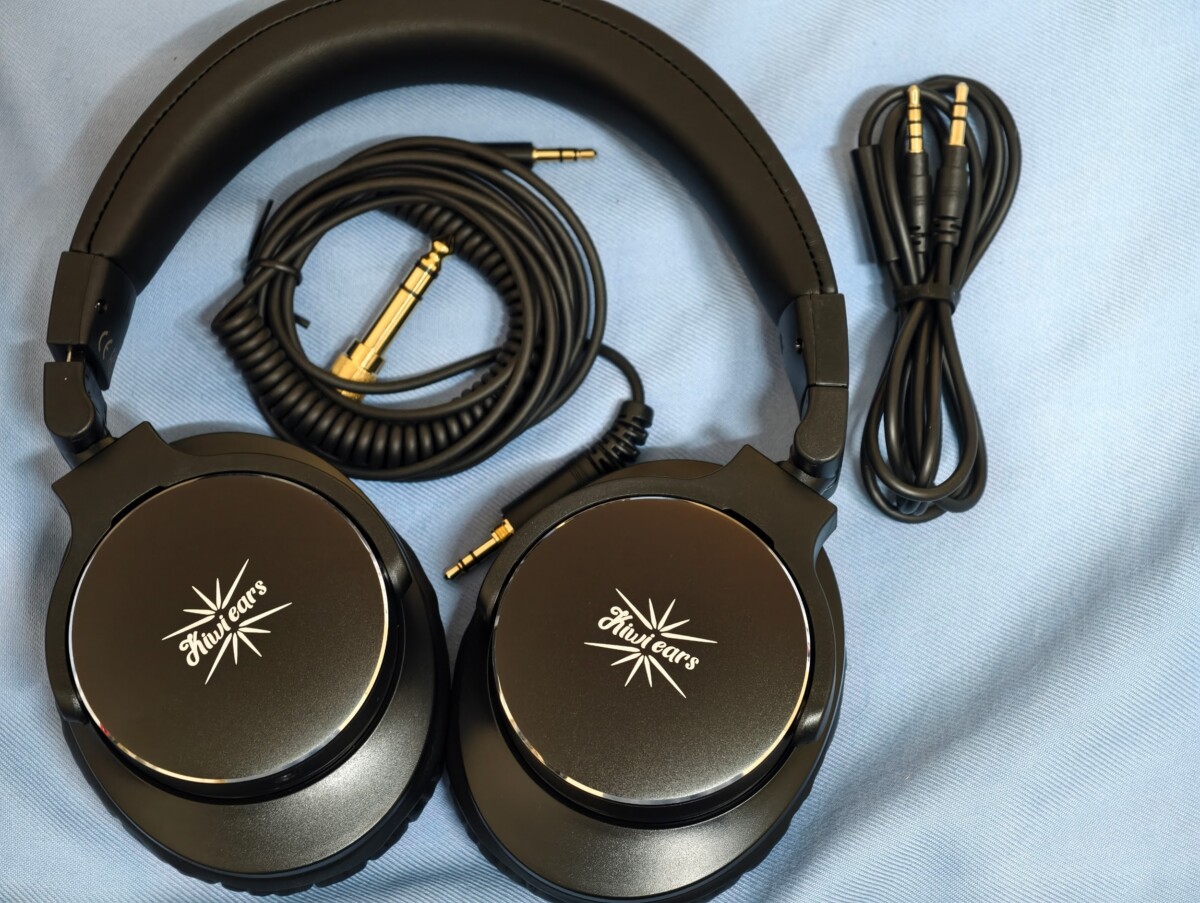
The packaging here is simple with a rather compact rectangular box with the headphones snugly inside alongside 2 cables, 1 coiled and 1 straight with microphone and a 6.35mm adapter. Pretty good for the price and the addition of a coiled cable may be useful for DJ or mixing usage. 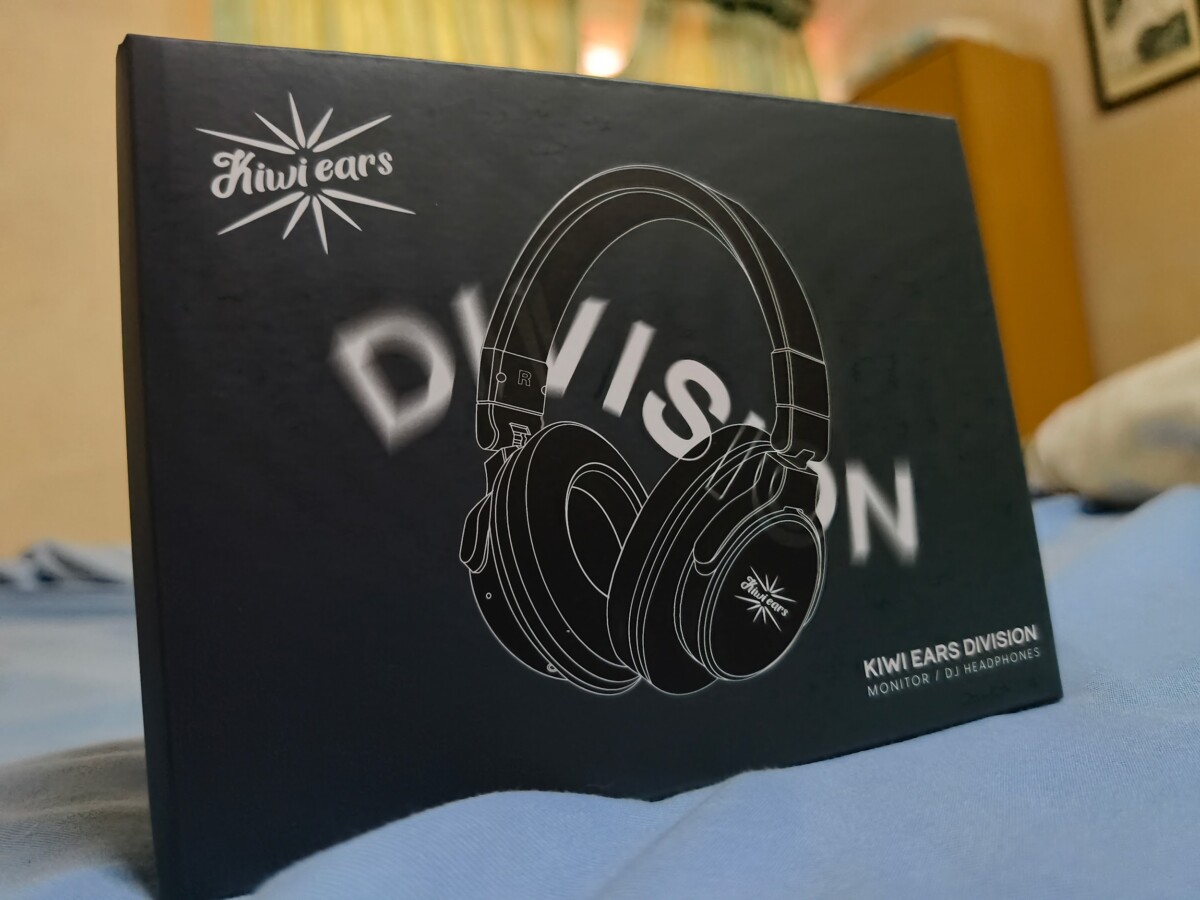
Design
The design here is pretty simple with mostly plastic used for their construction but the build here is actually quite robust as the plastic used is quite solid while being lightweight. The earcups are adorned with a shiny metal-like ring surrounded alongside their branding stamp in the middle. The overall design is very plain which can be great for someone who loves a low profile look. The Division has a folding, collapsible design that makes it a good portable headphone that slides in your bag easily. 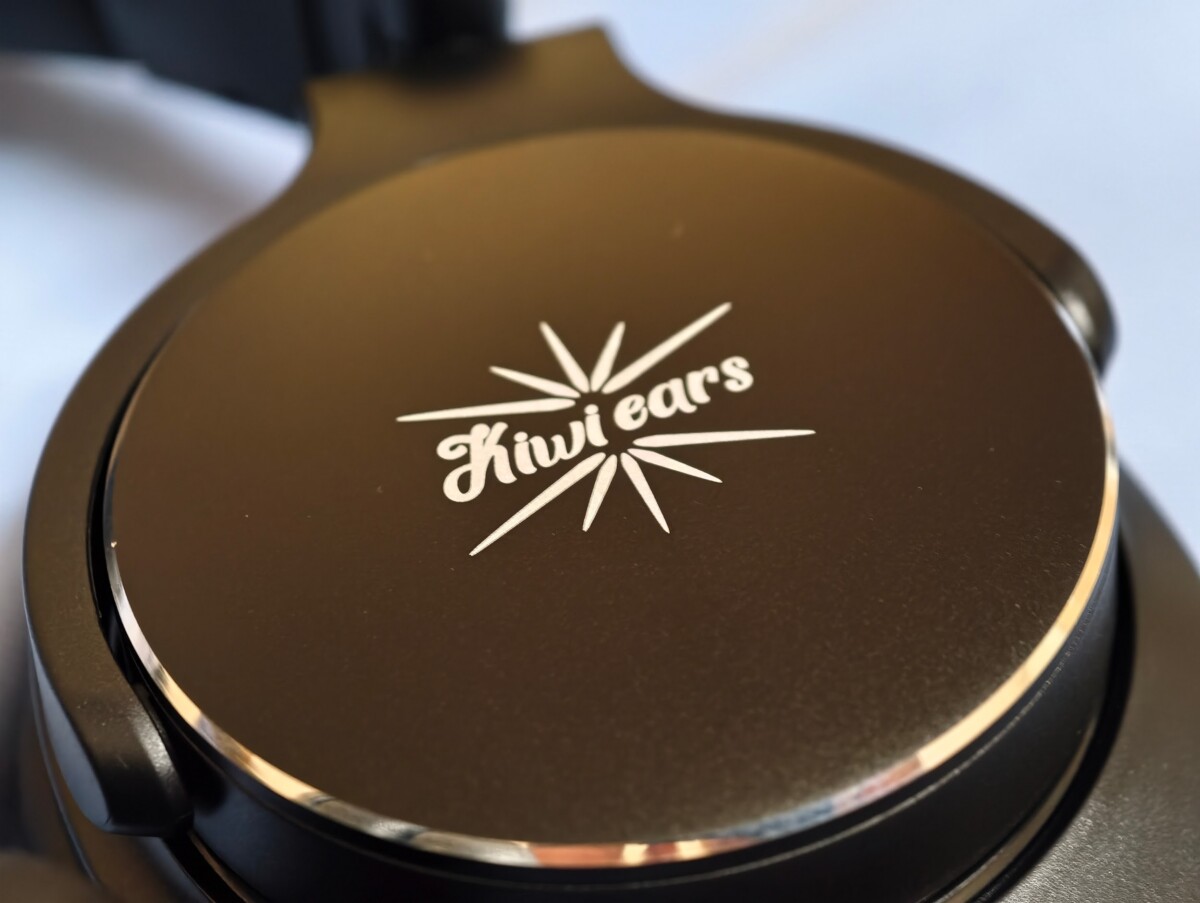
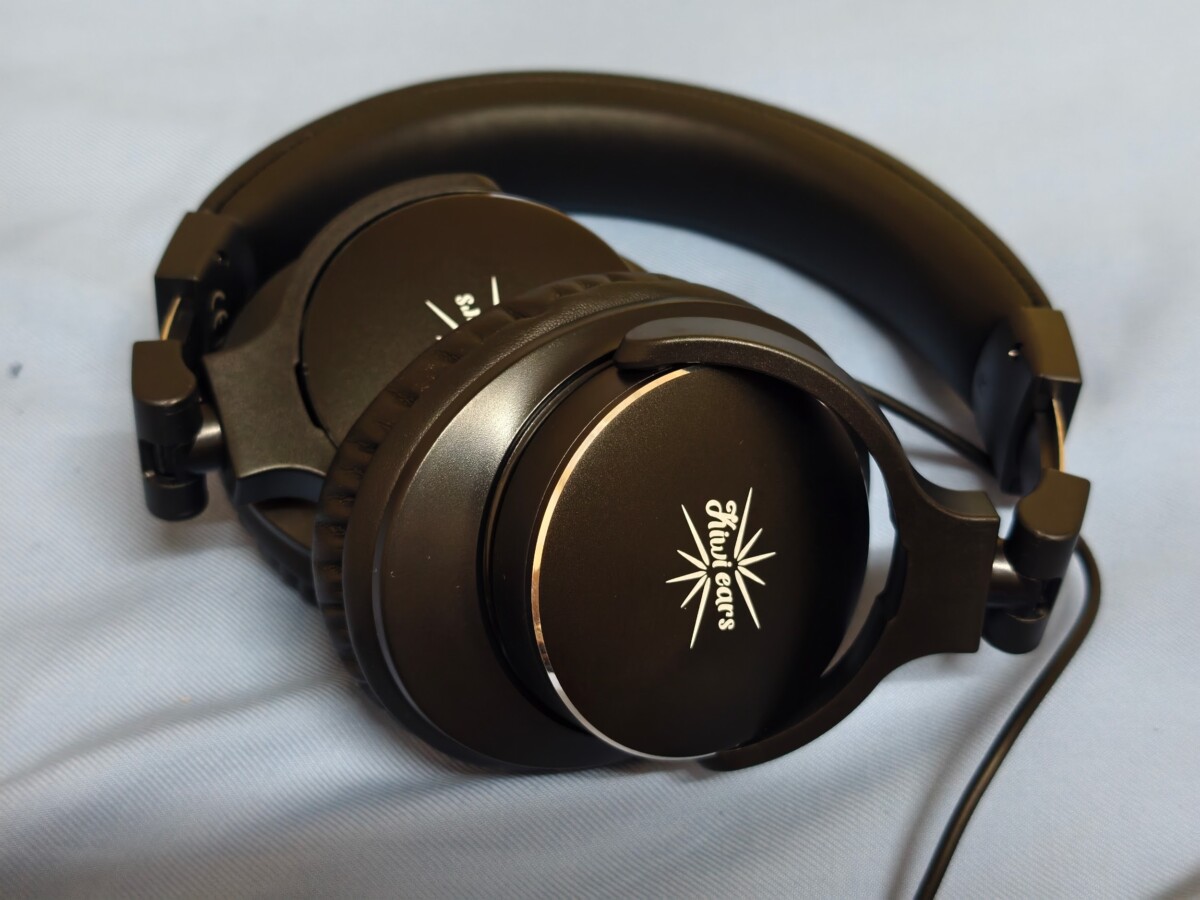
These are circumaural closed back headphones and they cover the entire ear for a good seal. The earpads are removable and 3rd party earpads can be used. The headband has a rather thick padding for a more comfy fit. 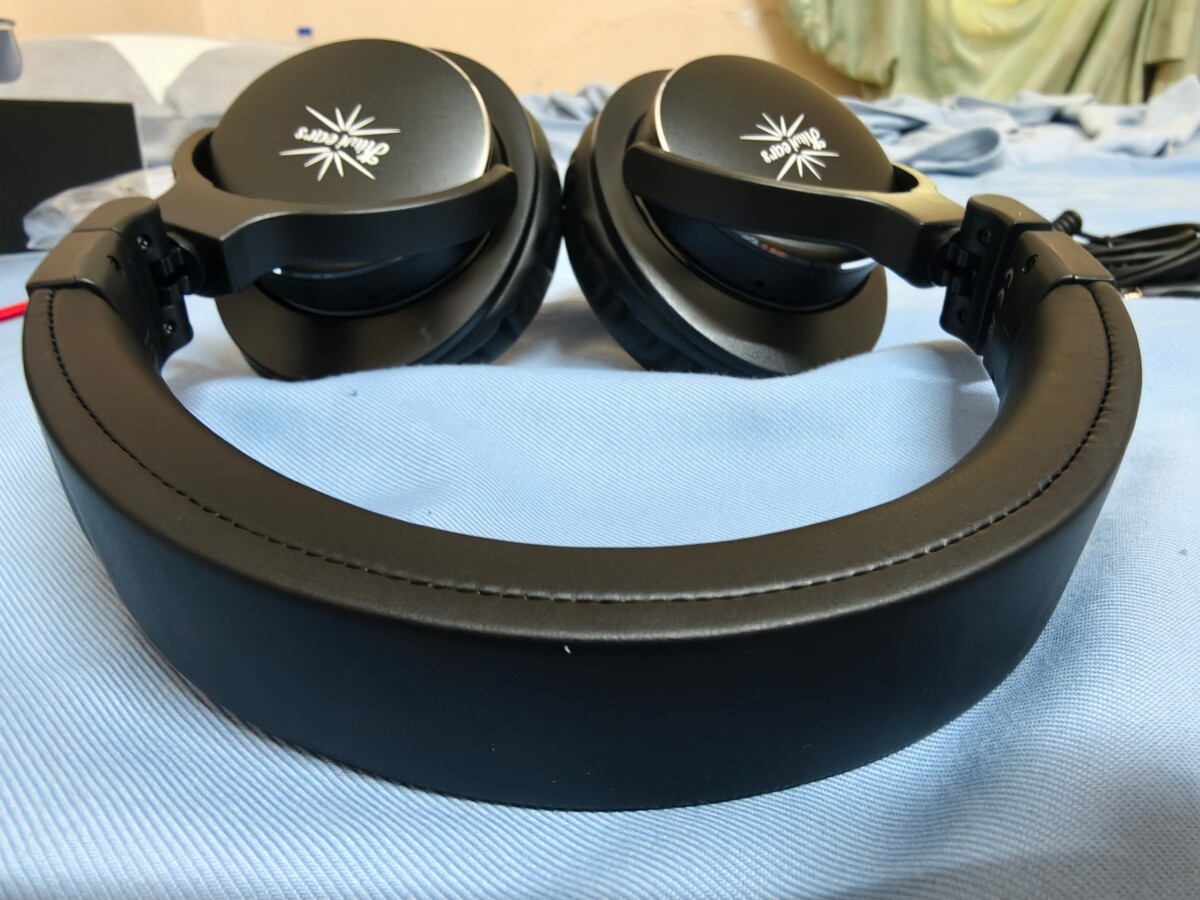
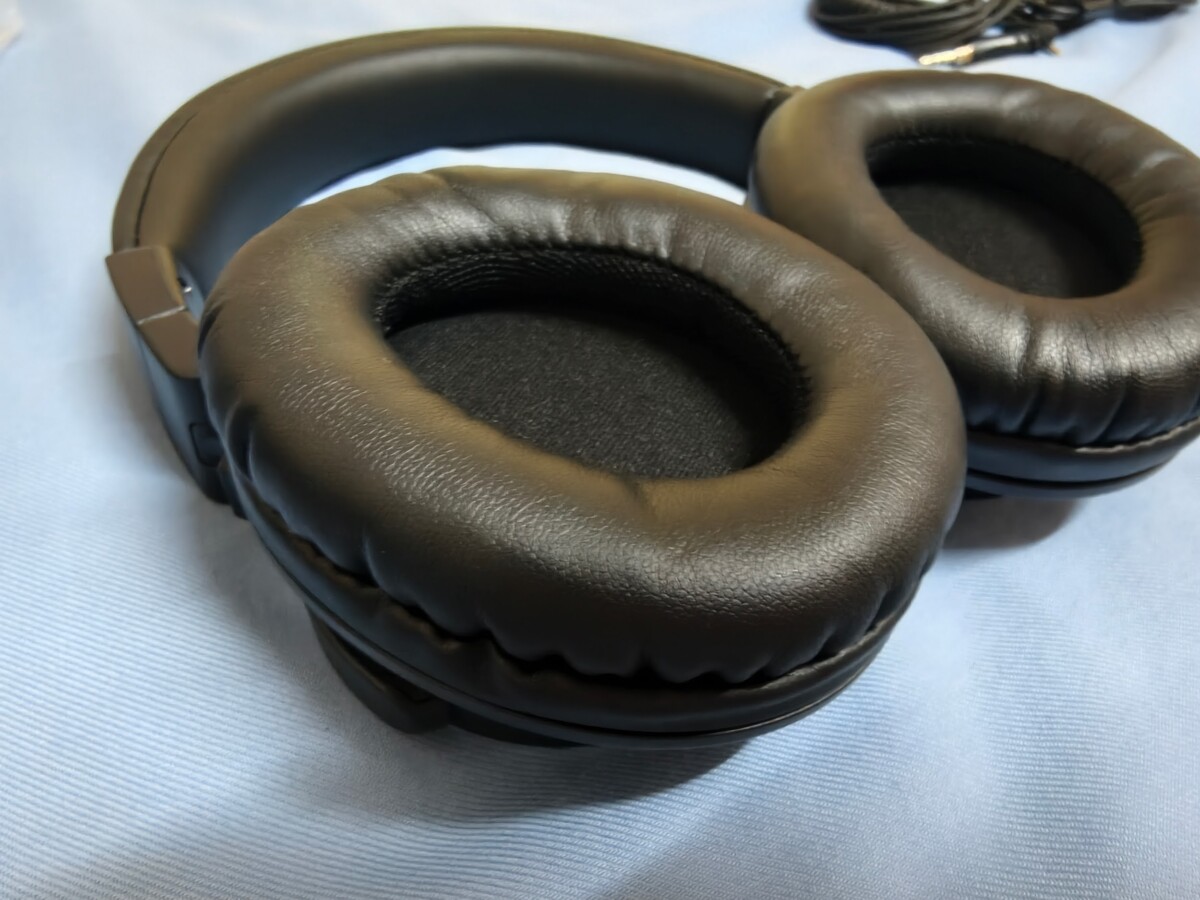
Upon removing the earpads, there is a sponge filter covering the drivers and I found that removing the filters actually sounds better as clarity is improved, tonal balanced is better alongside giving a cleaner overall sound with a slight reduction in bass quantity. 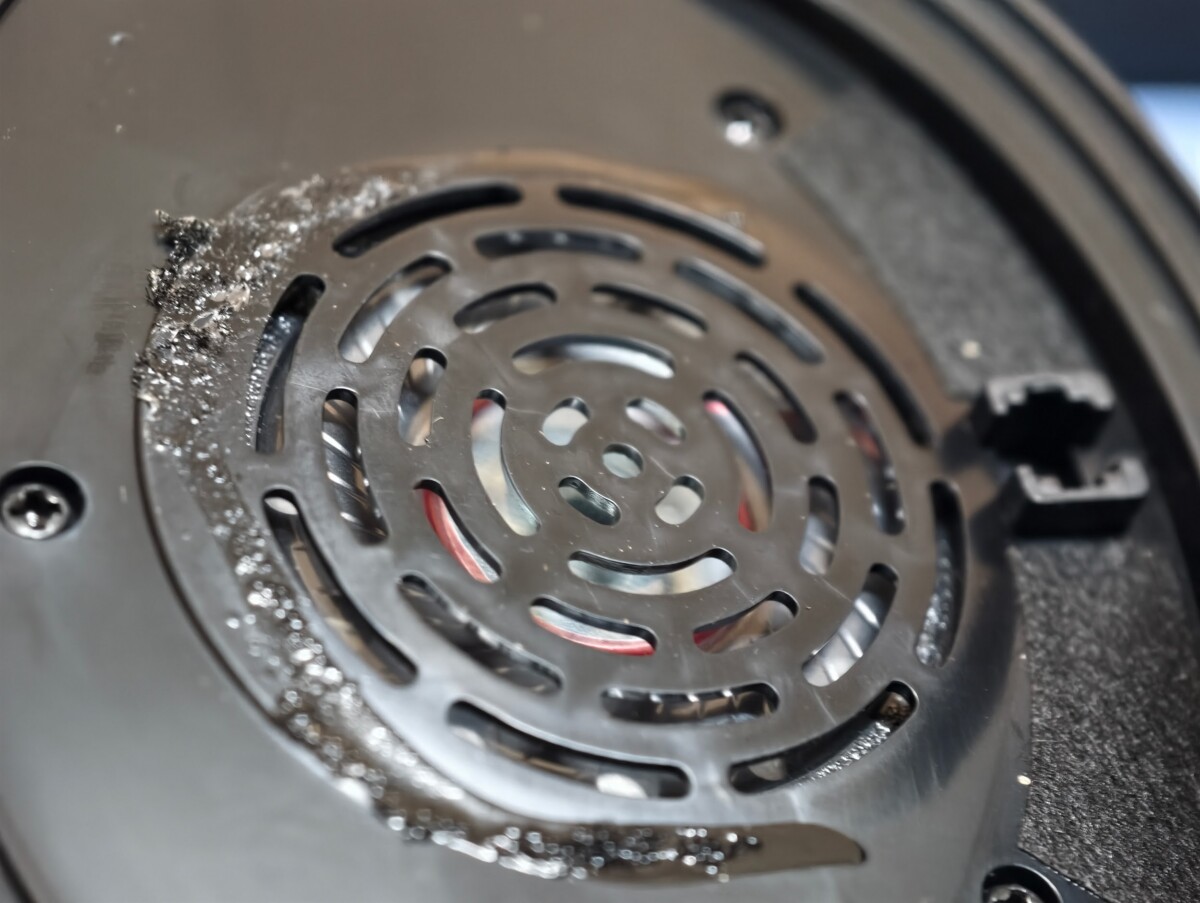
Weighing in at around 230 grams, they are lightweight but do have a slight heft on hand that makes it feels less fragile. The clamping force here is rather light but it does give a comfy fit for my medium sized head and they are suited for long listening sessions apart from heat build up, typical of closed back headphones. The metal slider adjustments mechanism is made from metal and they do hold in place well when being used. 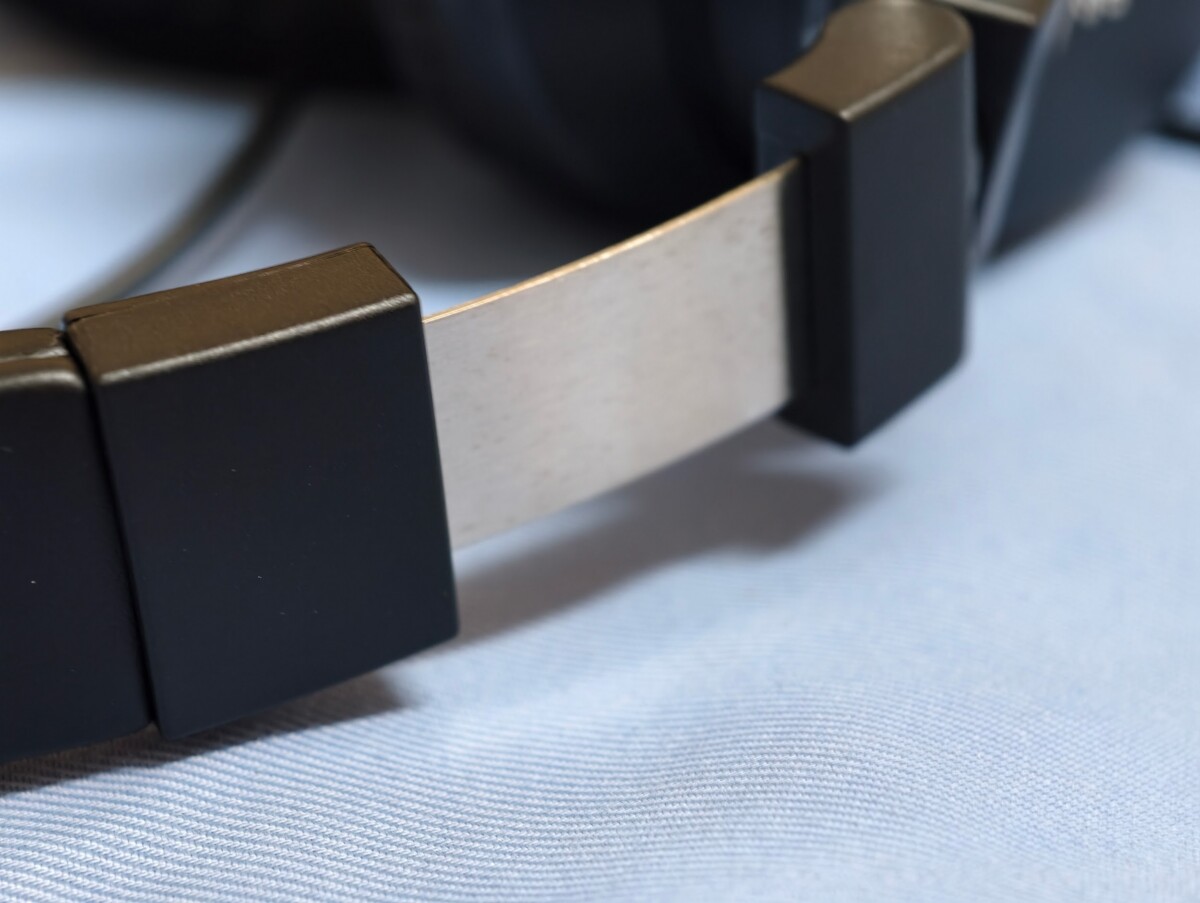
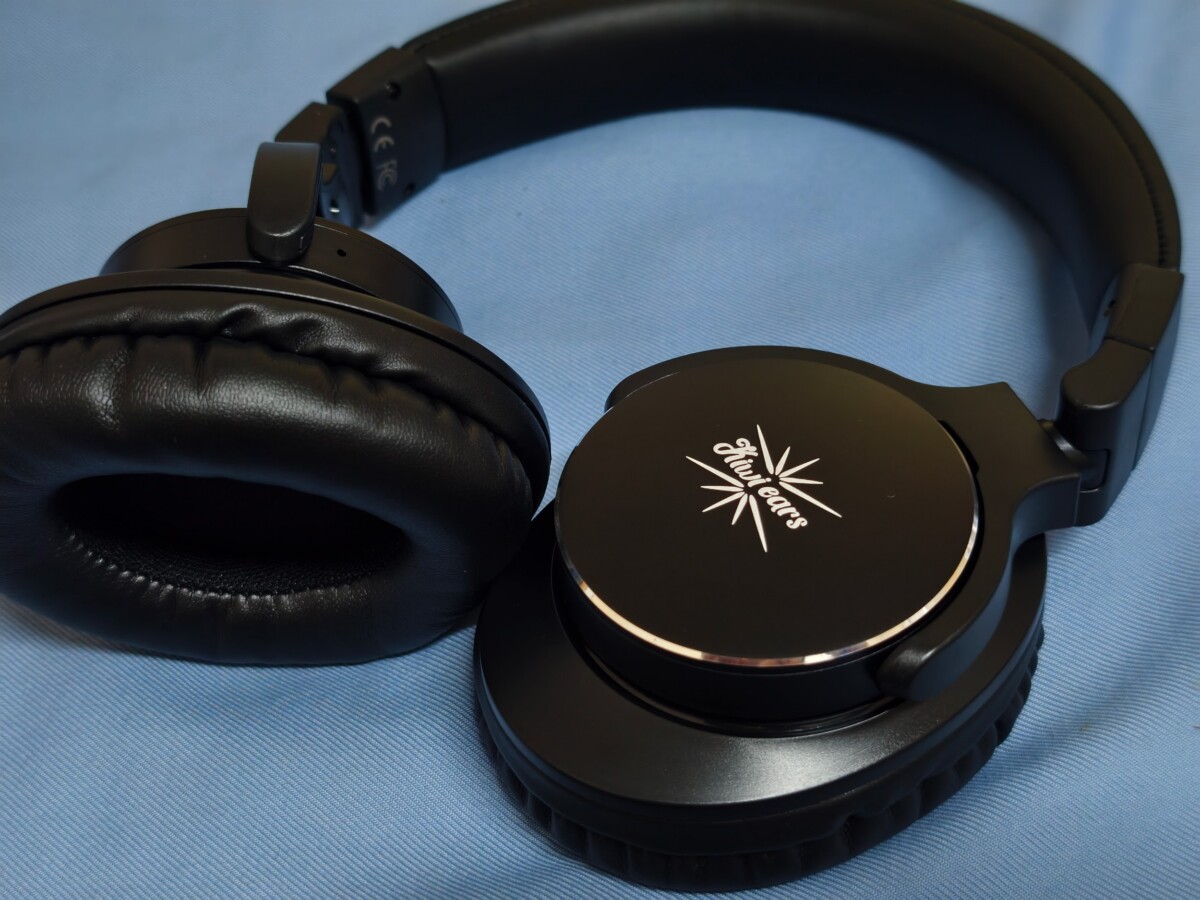
The Division is a 40mm dynamic driver that has a composite diaphragm with upgraded voice coils and high strength magnets. They are a robust driver as they are capable of handling high volume without major distortion. 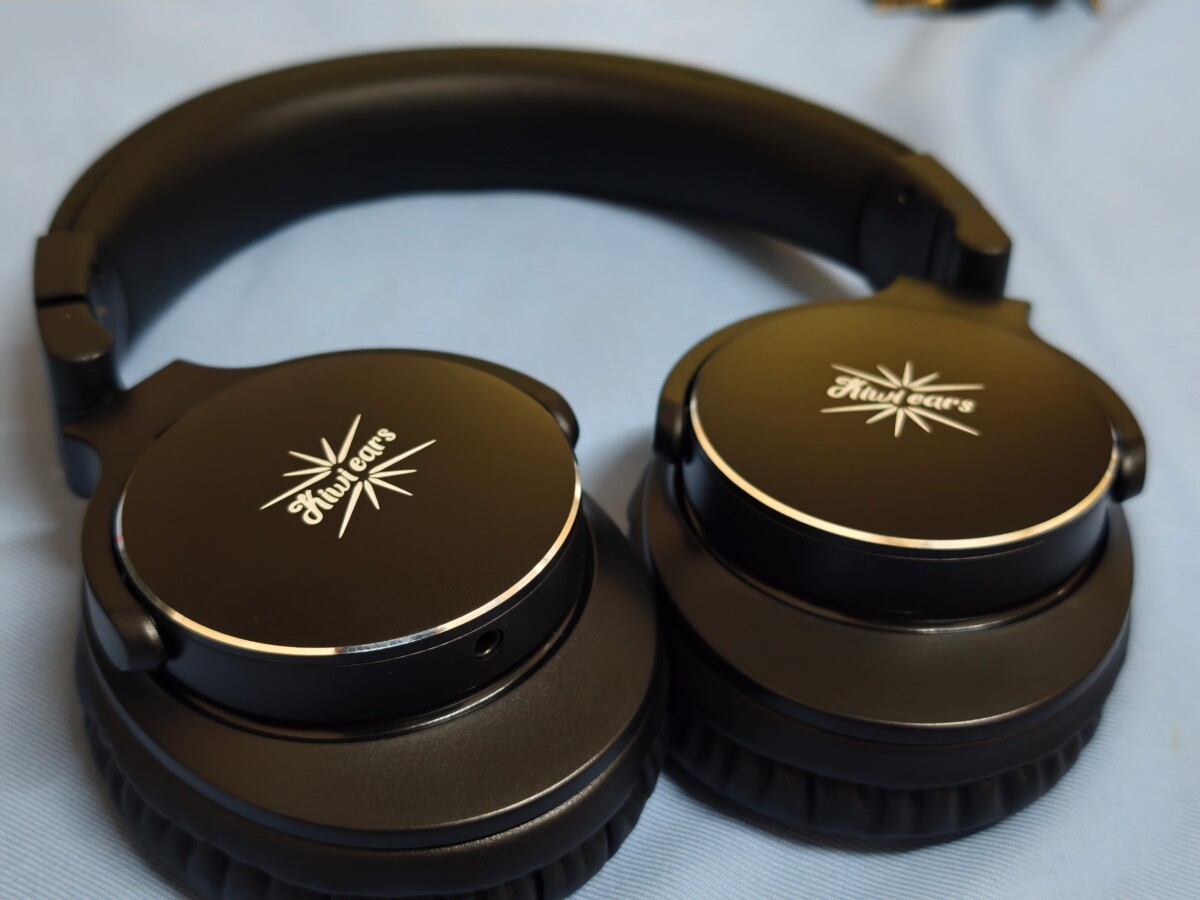
There are 2 small hole vents on sides of the cups covered for breathing room for the drivers and no flex is present. 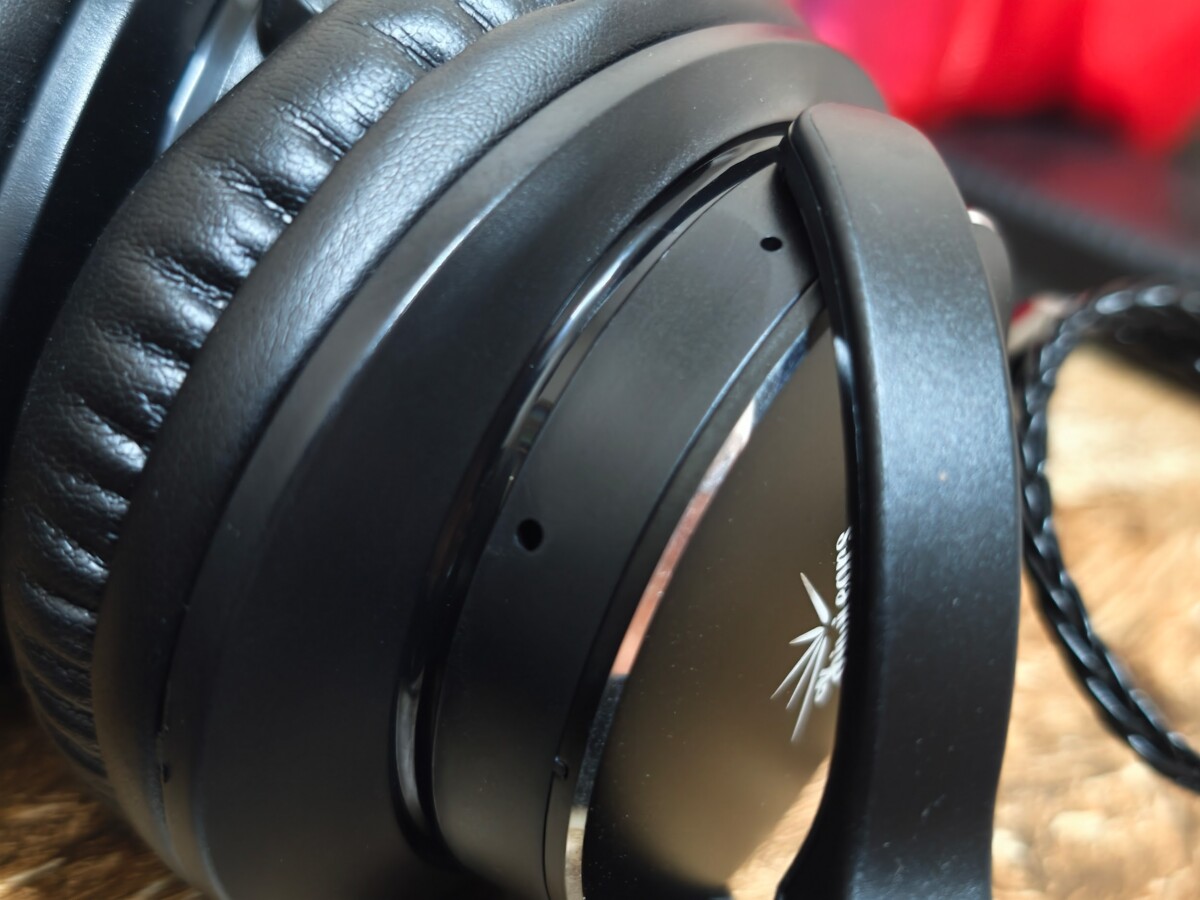
There are 2 cables included here where one is coiled and one is with a microphone with a single button. These are 3.5mm input output cables and only support single ended usage which is meant for DJ and casual usage. 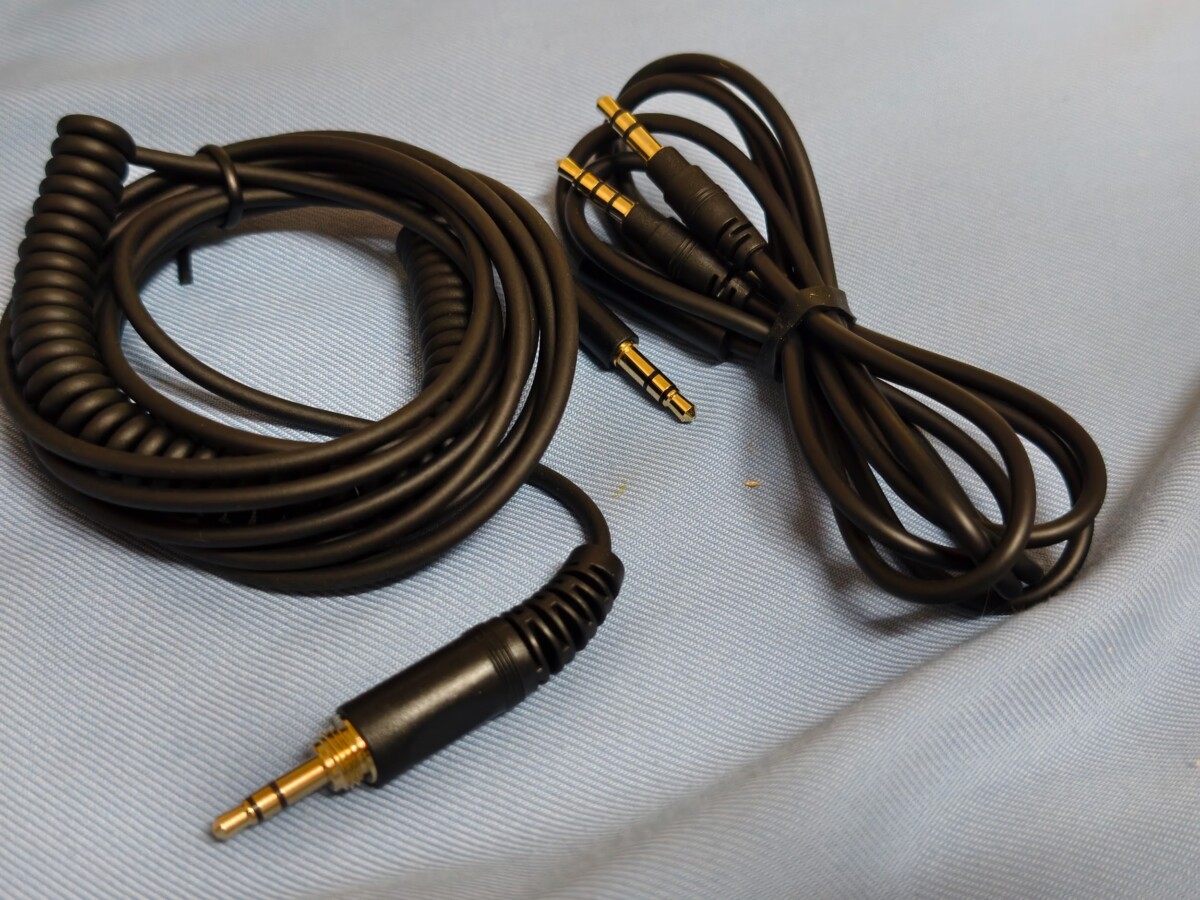
Gears Used for Comparisons
Topping D90 + Aune S7 Pro
Questyle M15
Qudelix T71
EPZ TP35
FiiO BTR7
7HZ Artemis39
Kiwi Ears Altruva
NF ACOUS NH20
FiiO JT1
Beyerdynamics T70
Audio Technica ATH-M50X
Songs list
Enigma – Return To Innocence
Audioslave – Cochise
Kitaro – Matsuri
The Cranberries – Linger
4 Non Blondes – What’s Up
Midnight Generation – Don’t Wait Up
Extreme – More Than Words
RAM – RAMelia
George Michael – Careless Whisper
The Police – Every Breath You Take
Tone and Presentation
The tone of the Division is a warm, mild bass boost signature that has a musically tuned sound approach and they are smooth sounding without any major aggressiveness. No major peaks are present here and they have an energetic low range presentation that is punchy but lacks clinicalities. The overall sound is clear and organic with minor colouration present that contributes to their high musicalities. The tone here is balanced, slightly towards a darker side but after removing the internal sponge filter, they do add some brightness to them.
Soundstage
The soundstage here is rather intimate as they are closed back headphones but they do possess adequate width and height. They do lack an open sound as they are tuned to be a near field tuning that projects sound forward rather than diffusing it around and that actually gives the Division an immersive, intimate sound that works for certain genres such as acoustics and EDM but not so much for live performances or classicals. The accuracy here is decent and they are well suited for gaming and movies purposes.
Separation and Timbre
Separation here is average and this is not their strength but they do not pose any major issues here and are still capable of giving a good stereo width. No crosstalk issues are present but their dynamic range is a little compressed especially when not properly driven. Timbre here is organic, punchy and intimate, sounding quite natural without any weird unnatural timbre atypical of a well designed dynamic driver.
Drivability
While rated at 32 ohms with a 98db sensitivity, they do need some driving power to perform to their best and do benefit with a dedicated full fledged desktop setup to perform but not a must. A simple dongle wouldn’t be sufficient for them to have adequate volume as their sensitivity is rather low and they are slightly scalable when properly amped giving a more controlled bass and cleaner overall sound. Source matching here does slightly lean towards a brighter sound to give some extra clarity and details while keeping the musicalities intact but not so much for bassy to warm sources as the Division is already warm and bassy. These are a forgiving type of headphones that works well with any source and will sound great no matter the bitrates but a well mastered track will actually give a boost in clarity but only marginally.
The Bass (Low)
The bass is boosted especially in the mid-bass and they are powerful, meaty and authoritative but within the realms of being controlled. The bass here is the dominant part of the overall presentation and it can be passed as a basshead headphones that is not for hardcore bassheads as they are not too overpowering for me. The bass is energetic and punchy with a tightness in their slam. The mid-bass lift here is actually lifted nicely and the overall bass is elastic and nimble, capable of keeping up with busy tracks with ease. The bass do lack texture and can be muddy but after removing the sponge filters, they do remedied these problems by a little. Details and clarity here are decent, producing a clean and clear bass response. The resolution here is vivid and has a decent transparency with no bleed present. The bass does have a slow roll-off that gives ample presence of air. The sub-bass has a mild boost to match the overall bass but the mid-bass is still dominant. Sub-bass rumble dives deep and it has a good amount of immersive rumble.
The Mids
Midrange on the Division is a neutral flat presentation that has a mild recessed sound for the boosted lows. The mids here have a good amount of warmth that gives a lush midrange that is velvety smooth. The body here is rather thick with a focus in the lower mids that gives a full-bodied midrange with no gaps and they transition smoothly towards the upper midrange. Details here are great that put a slight focus on the macro details alongside decent micro details and they are clean and clear midrange. The accuracy here is good and although there is some colouration present and they are still natural sounding headphones with a vivid midrange reproduction. Vocals here are luscious, intimate and soulful that pushes sound towards your ears . The tuning suits male vocals exceptionally for their thick and deep sound but on some female vocals, they tend to lack brilliance. Instruments sounded accurate but on some higher note instruments like violins or electric guitars, they do lack excitement or bite.
The Highs
The high range of the Division produces a rather smooth and inoffensive but still able to retain a good presence. Clarity and details is quite good here but does have some restraints in their average high range resolution. Sparkle here is good and they do have some crispness to them but not lively enough to satisfy users who want more bite in the music. It has a slightly laid-back type of performance that is suitable for long listening sessions as they don’t incur any fatigue. Harshness and sibilance is very minimal, therefore suiting a wide range of genres such as metal all the way to EDM. Their slightly scaled down treble also brings less energy to their sound but suits those who want a more relaxed, less piercing vibe to their sound. Timbre is natural and their intensity is good making music sound quite organic overall. Overall, they are a smooth operator in this region but for my preference, they lack a kick for a more energetic performance.
Comparisons
VS Audio Technica ATH M50x(149USD)
The legendary M50x headphones from Japan with 45mm dynamic drivers. Both are mostly plastic built but the M50x does feel more robust and solid. Sound presentations are quite similar with a bass boost profile suiting for DJs and light monitoring.
- High range amount are similar but the M50x is more refined
- Treble on the Division is slightly more aggressive
- Midrange clarity on Division is better but M50x is more resolving
- M50x has better body and depth in the mids
- Bass is more punchy on the Division and reaches deeper
- Soundstage on the M50x is wider and slightly airier
- Separation is better on M50x
VS FiiO JT1 (70USD)
The entry level headphones From FiiO with a 50mm driver that has a better build and comes with a cloth carry case. Both are closed back headphones but the JT1 has a dual entry 3.5mm that enables it to be driven in balance. Sound profiles are similar with a bass heavy tuning but the Division is a little more balanced across the whole frequencies.
- Midrange on JT1 is warmer, lusher and deeper while Division is more transparent with better clarity and brilliance
- Highs on JT1 is smoother while the amount and clarity on Division is better here
- Midrange on JT1 is more forward and intimate while Division has better spatial positioning and space
- High range on JT1 is smoother but not as exciting as Division
- Bass on Division is punchier and more textured
- Sub-bass on JT1 is deeper and more immersive
- Overall clarity is better on the Division while clarity in both are similar
- Soundstage are similar with JT1 possessing more air
Synergy
Good synergy: Bright, neutral sources
Examples: Hidizs S9 Pro, Questyle M15, FiiO Q7, EPZ TP30, Qudelix T71
Not so good synergy: warm, bassy sources
Examples: FiiO Q15, EPZ TP35 Pro, Qudelix T71, 7HZ Artemis39
Power requirements: Relatively easy but needs some power. Has the scalability potential with bigger sources.
Who Is It For?
Suited for DJs, light monitoring, drummers, casual listeners, travelling audiophiles, gamers, workouts, light bassheads
Not suited for purists, critical listeners, live performances
Recommended genres: EDM, hip-hop, modern pop, metal, rock
Not recommended genres: Classicals, acoustics, instrumentals, live performances.
Final words
The Kiwi Ears Division proves that ultra-budget headphones no longer means compromised. For under USD50, you’re getting a warm, punchy, and fatigue-free closed back that handles modern genres like EDM, pop, and rock with surprising authority. The bass is punchy and controlled, the mids are smooth and the treble is inoffensively smooth. No, it won’t win any awards for soundstage width or micro detail retrieval as that’s not its mission, the mission here is to deliver an engaging, musical experience in a lightweight, foldable package that costs less than a decent dinner. For casual listeners, DJs, and budget-conscious audiophiles, the Division is an easy recommendation. Kiwi Ears has made audiophile headphones more accessible indeed.
P/s: Remove the stock sponge filter underneath the earpads for a cleaner, clearer bass.
4½ over 5 stars ⭐⭐⭐⭐½
Pros
- Good technicalities
- Nicely designed and foldable
- High quality and comfy earpads
- Decent passive isolation
- Great imaging, resolution and transparency
- Great overall clarity and details
- Organic, breathy timbre
- Decent headroom size
- Punchy, textured and extended bass
- Clean, accurate midrange
- Good amount of brilliance
- Smooth, crisp high range
- Laid-back treble
- Relatively easy to drive
- 2 cables included
- Value
Cons
- Not for critical listeners
- Plain design (subjective)
- Mediocre separation
- Intimate soundstage
- Bass a little muddy with the sponge filters (can be removed and improved)
- Treble lack excitement
- Can’t be driven in true balanced mode
- Plastic build (nit-pick for the price)