
As 2026 winds down, Sivga, a rising titan in portable audio, has finally unveiled its multi-driver IEM: the Lyrebird. This quad-hybrid configuration, which pairs a dynamic driver with a balanced armature, a micro planar, and a piezoelectric tweeter, arrives at a surprisingly accessible $149. Despite that modest price, Sivga hasn’t skimped on premium materials, featuring stabilized wood faceplates, aerospace-grade aluminum alloy, and an eye-catching cable. With specs like these, the Lyrebird is clearly aiming for the top tier of its price bracket. So, does Sivga’s first foray into hybrid designs deliver on its promise? Let’s dive in.
Functions & Specifications
Before we start the review, here are the specifications of the Sivga Lyrebird;
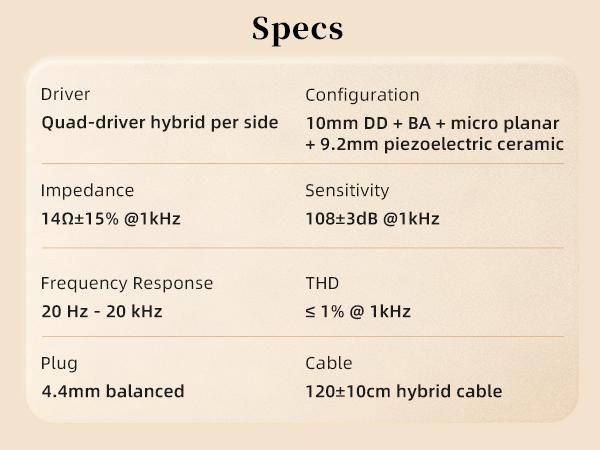
The Sivga Lyrebird can be purchased directly from Sivga’s website and many other platforms worldwide.
https://www.sivgaaudio.com/product_d?id=31
Packaging & Accessories
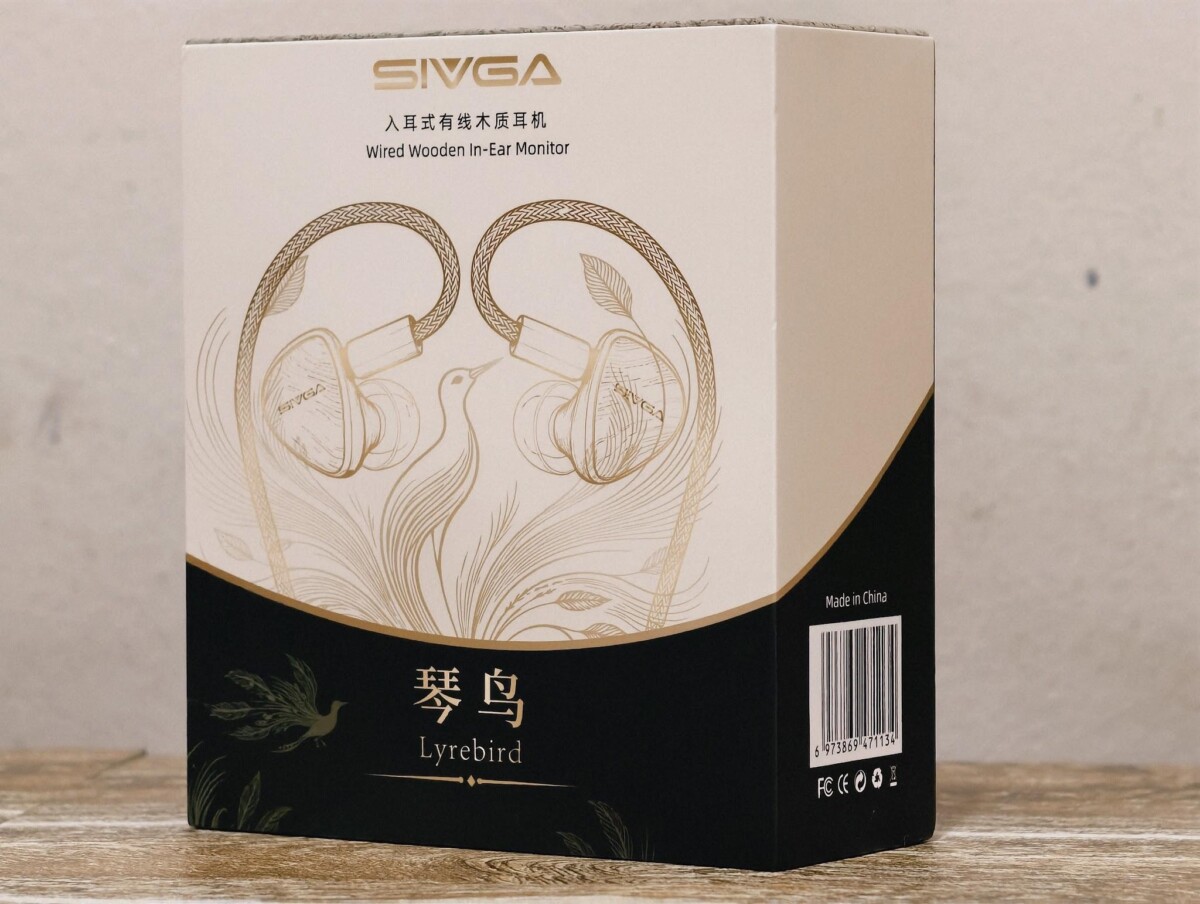
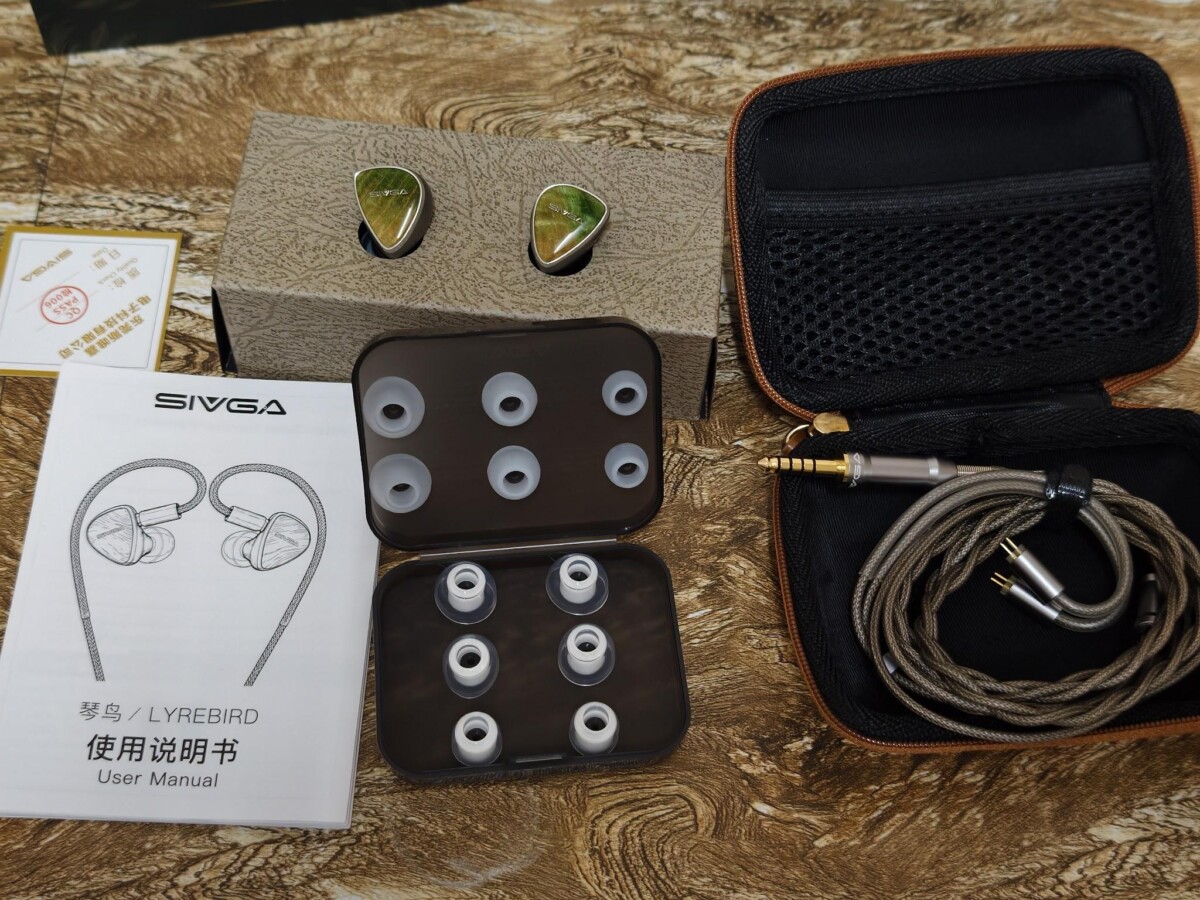
The packaging here is atypical of Sivga style where they do put some effort in their packaging with a nicely textured paper box that encases all the necessities. The overall packaging feels and looks premium alongside high quality accessories like a leather hard case, 6 pairs or eartips in a case(3 silicone and 3 liquid silicone), and a hybrid cable 4.4mm cable


Design
Design is a longstanding Sivga strength, and the Lyrebird carries that torch well. Its aerospace grade aluminum alloy chassis and stabilized wood faceplates, encased in glossy resin,make for a solid, premium-feeling IEM. The CIEM shape is ergonomic and ensures a comfortable, lightweight fit, while that refined wooden accent feels remarkably luxurious for the $149 asking price.
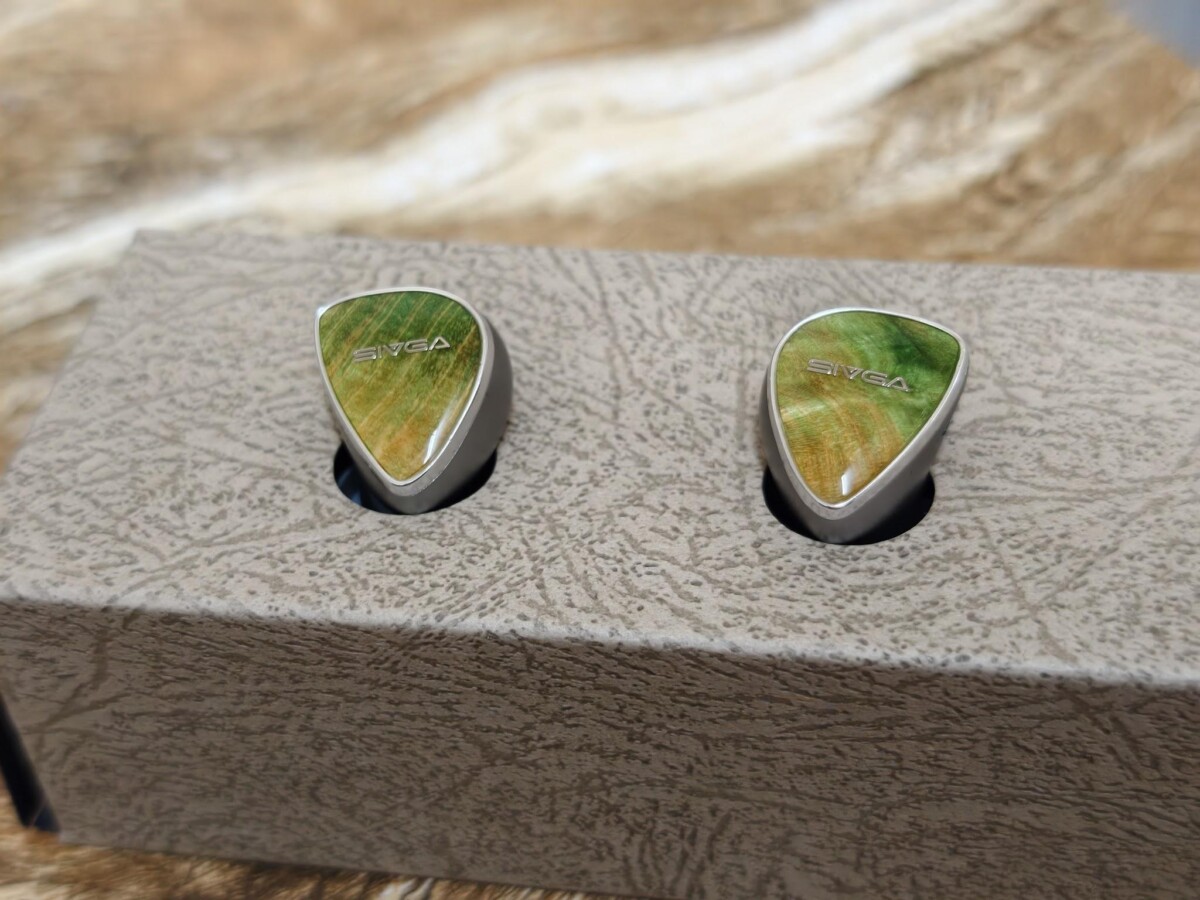
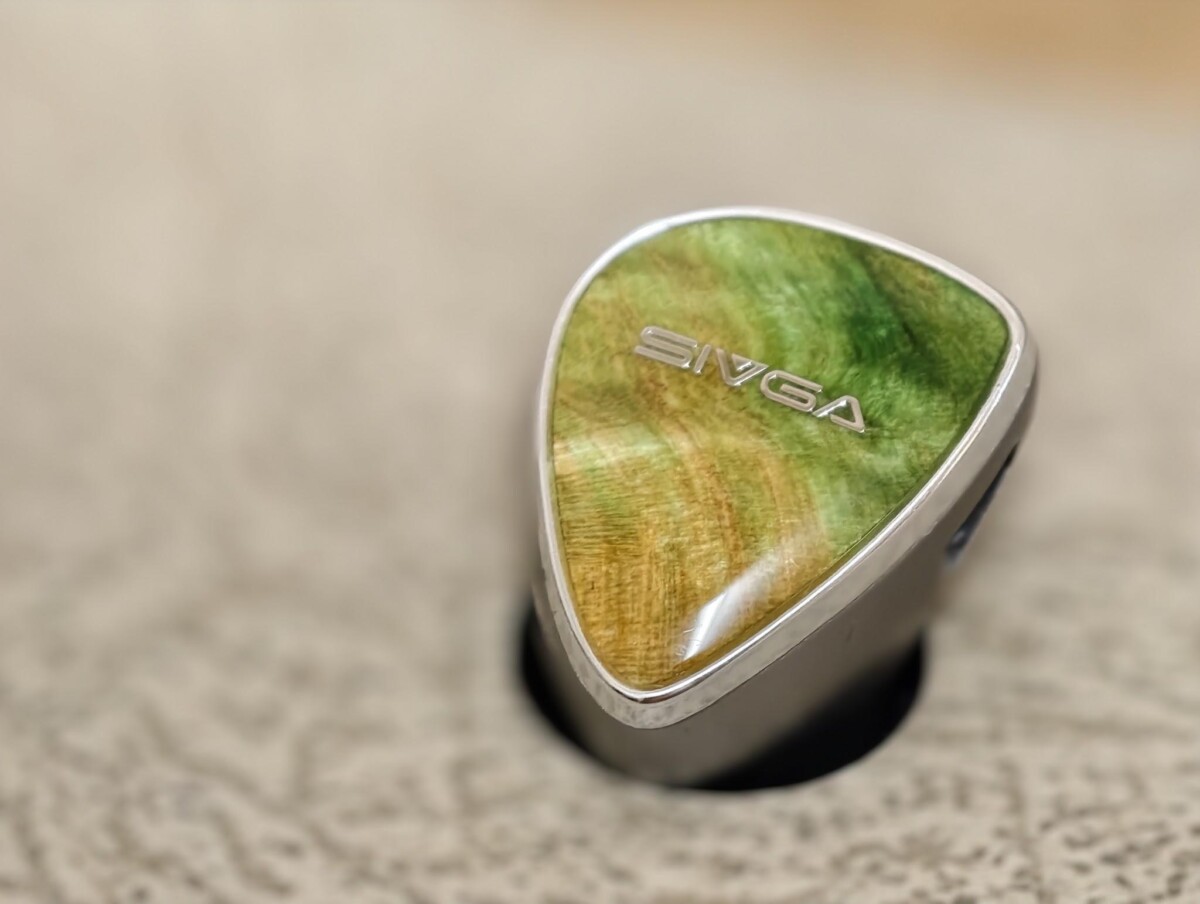
Inside the Lyrebird is a true quad hybrid IEM with a mix of 4 types of drivers. Equipped with a single 10mm dynamic driver, a single balanced armature, a micro planar and a multi layer piezoelectric driver. Each of these drivers are tuned to reproduce each part of the frequencies to give a wide dynamic range that possess a clean, clear and detailed overall sound.
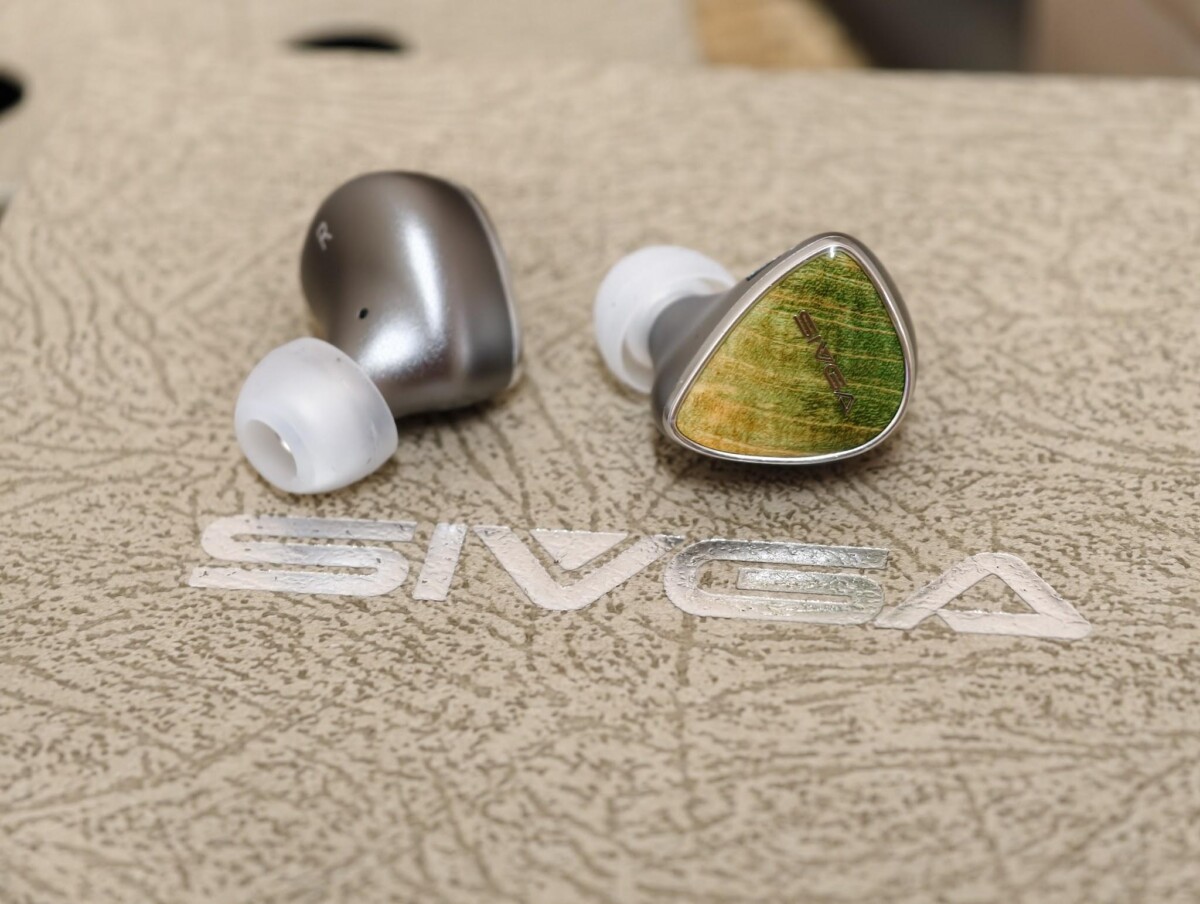
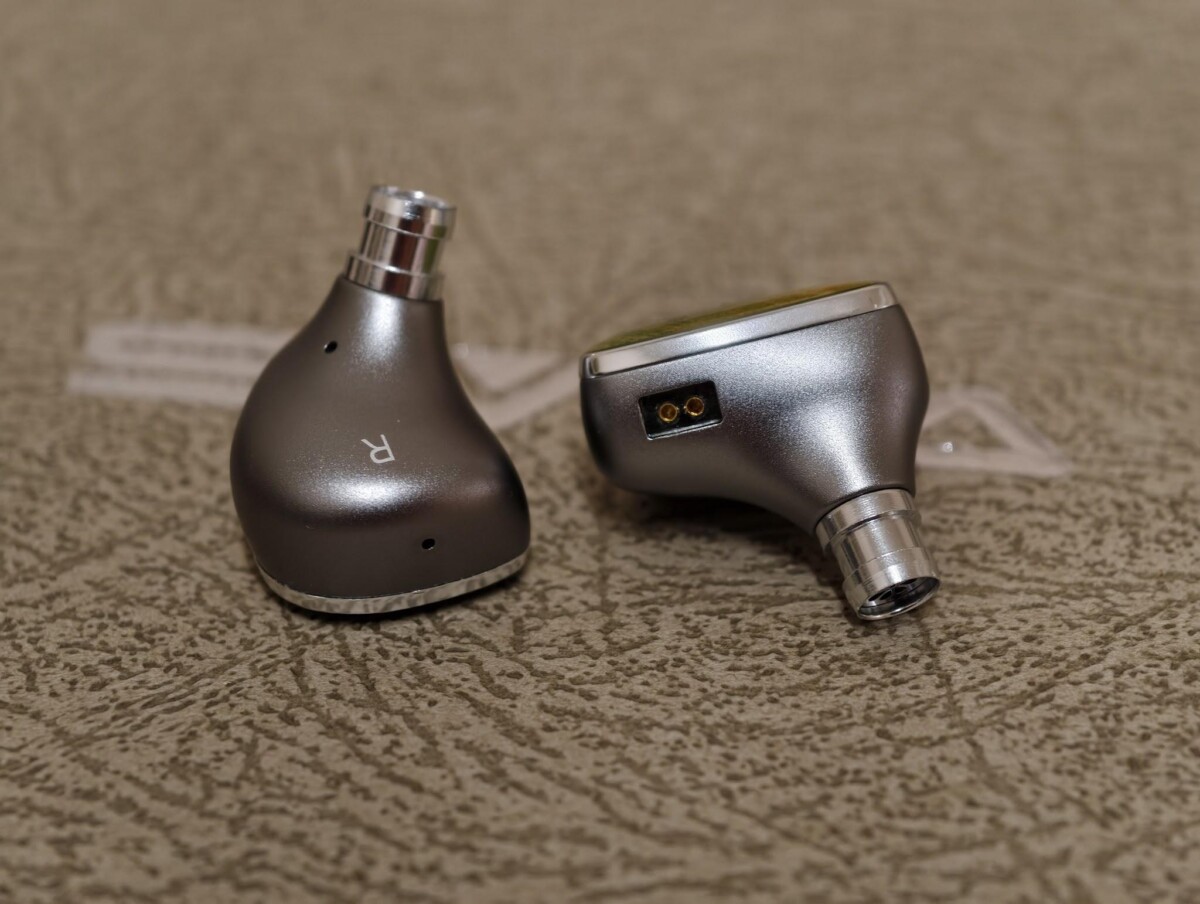
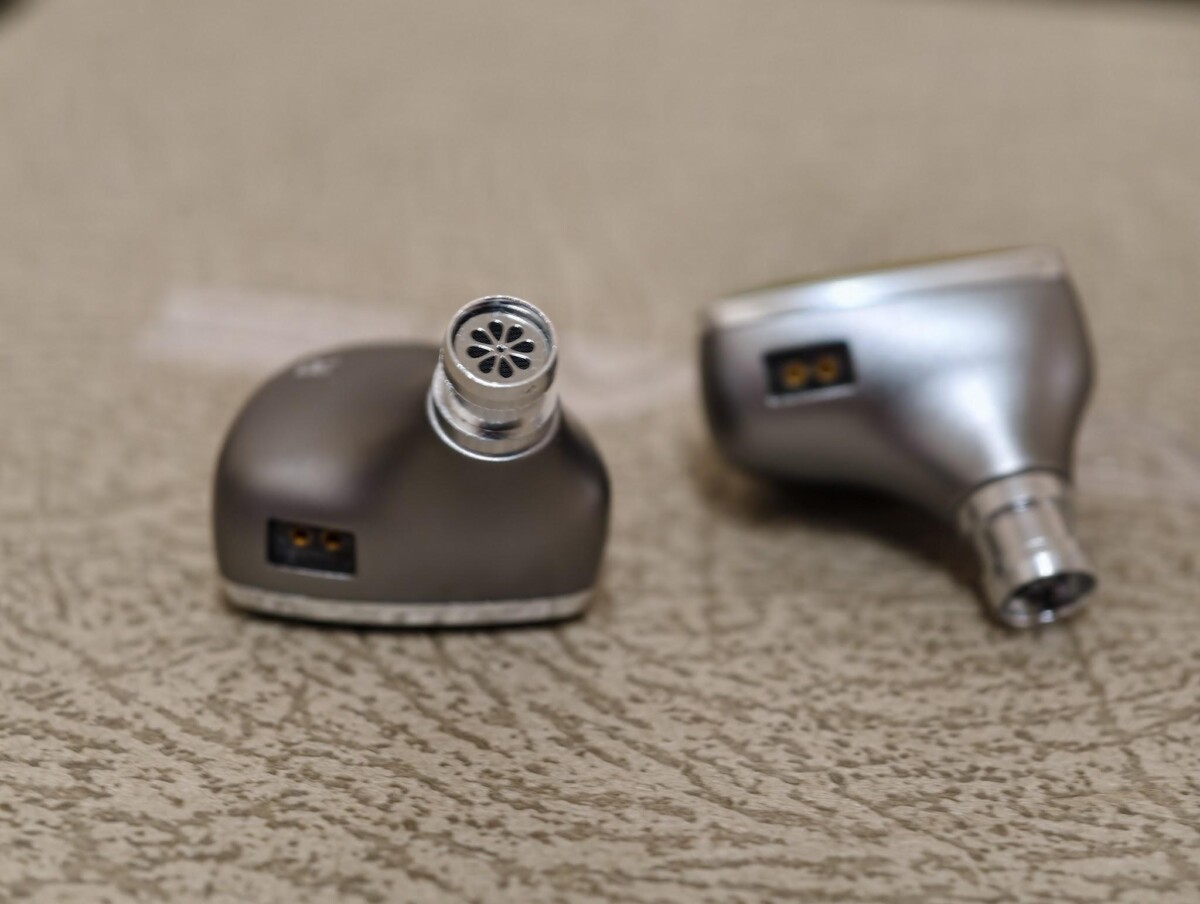
The nozzles here are made of aluminum alloy with a maximum diameter of 6mm and they are fitted with a rather unique steel mesh to prevent dust and moisture from entering. The nozzles here are rather long and some long stem eartips might incur some fitting problems but not a deal breaker
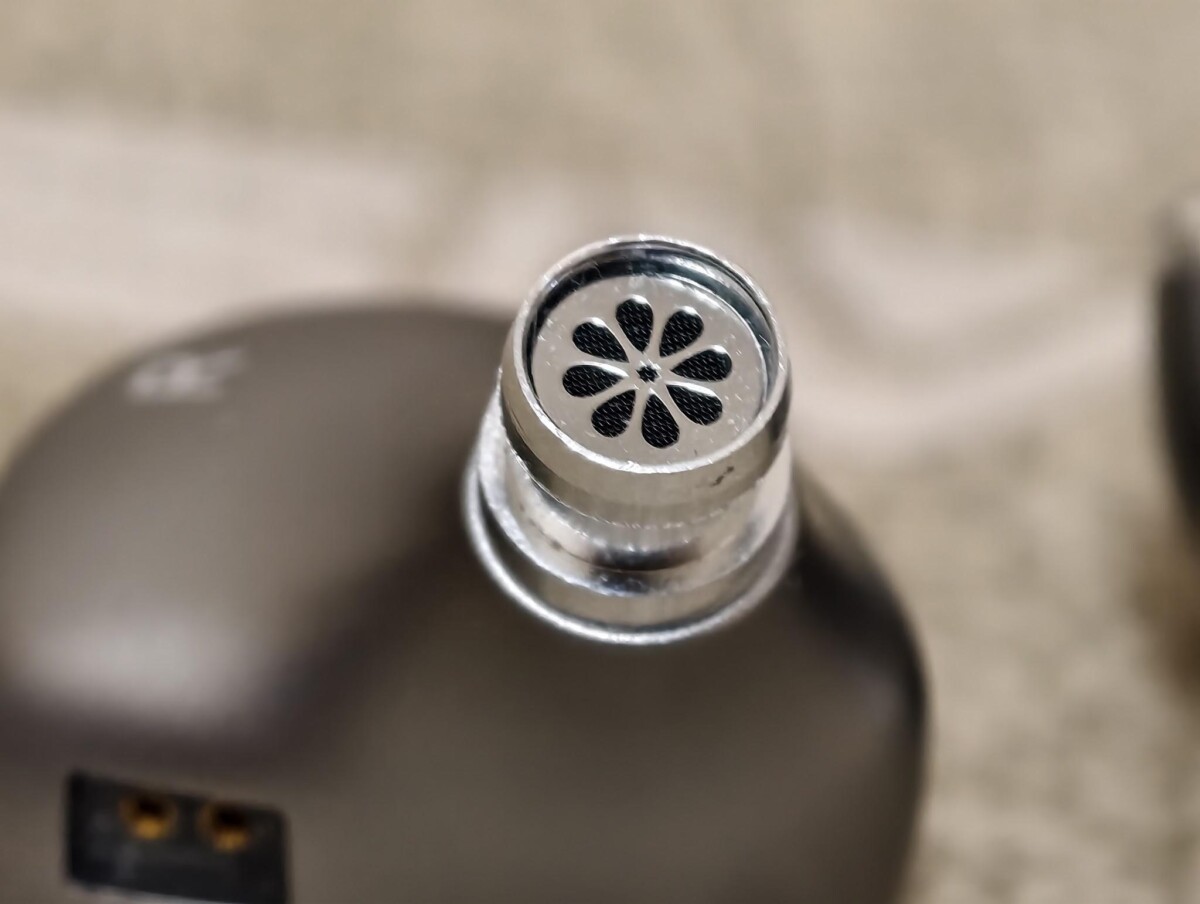
The vents are located near the 0.78mm connector with 1 pinhole vent for the breathing room for the dynamic and planar driver and another near the nozzle to prevent pressure build up. Driver flex is non-existent, which indicates a well vented product
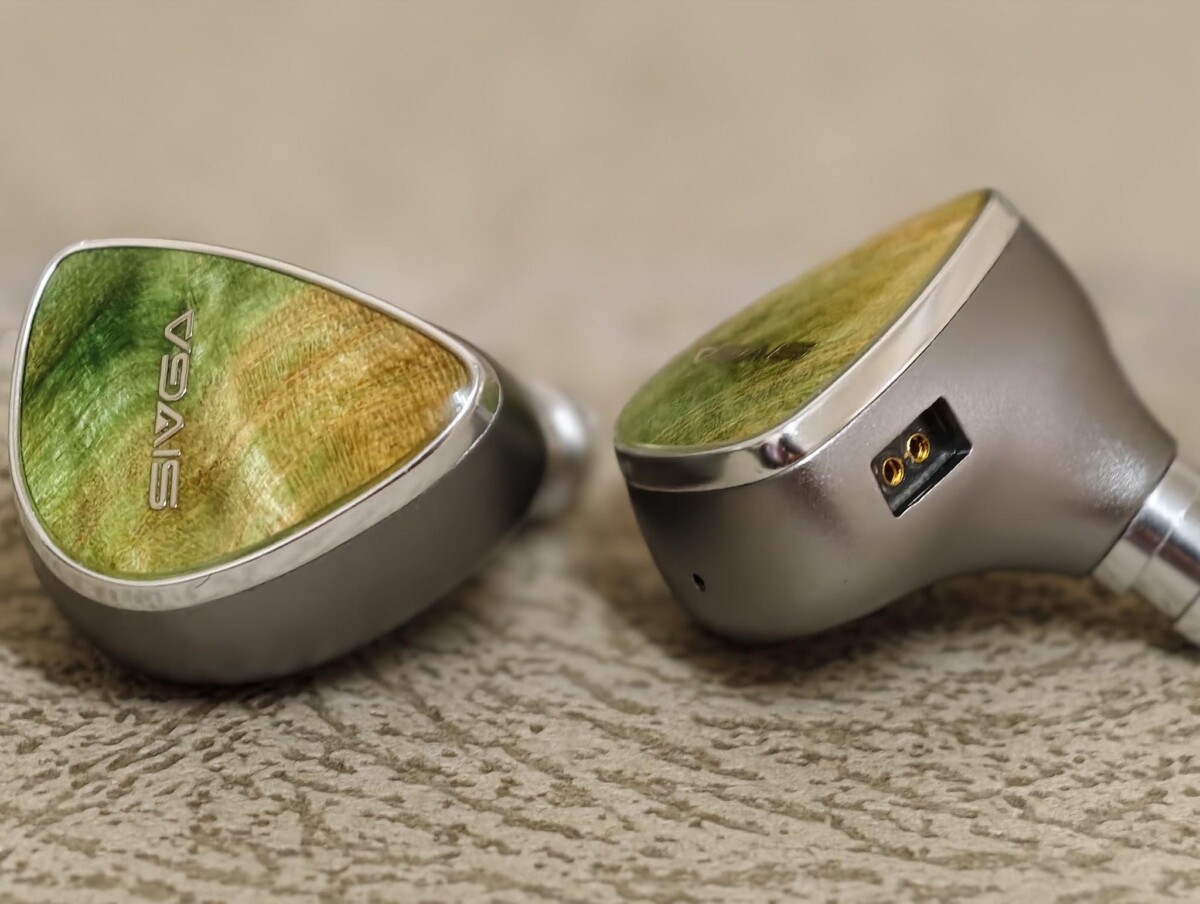
The Lyrebird has a slightly recessed 0.78mm 2 pin connection that is similar to some Moondrop products with a tight and secure fit.
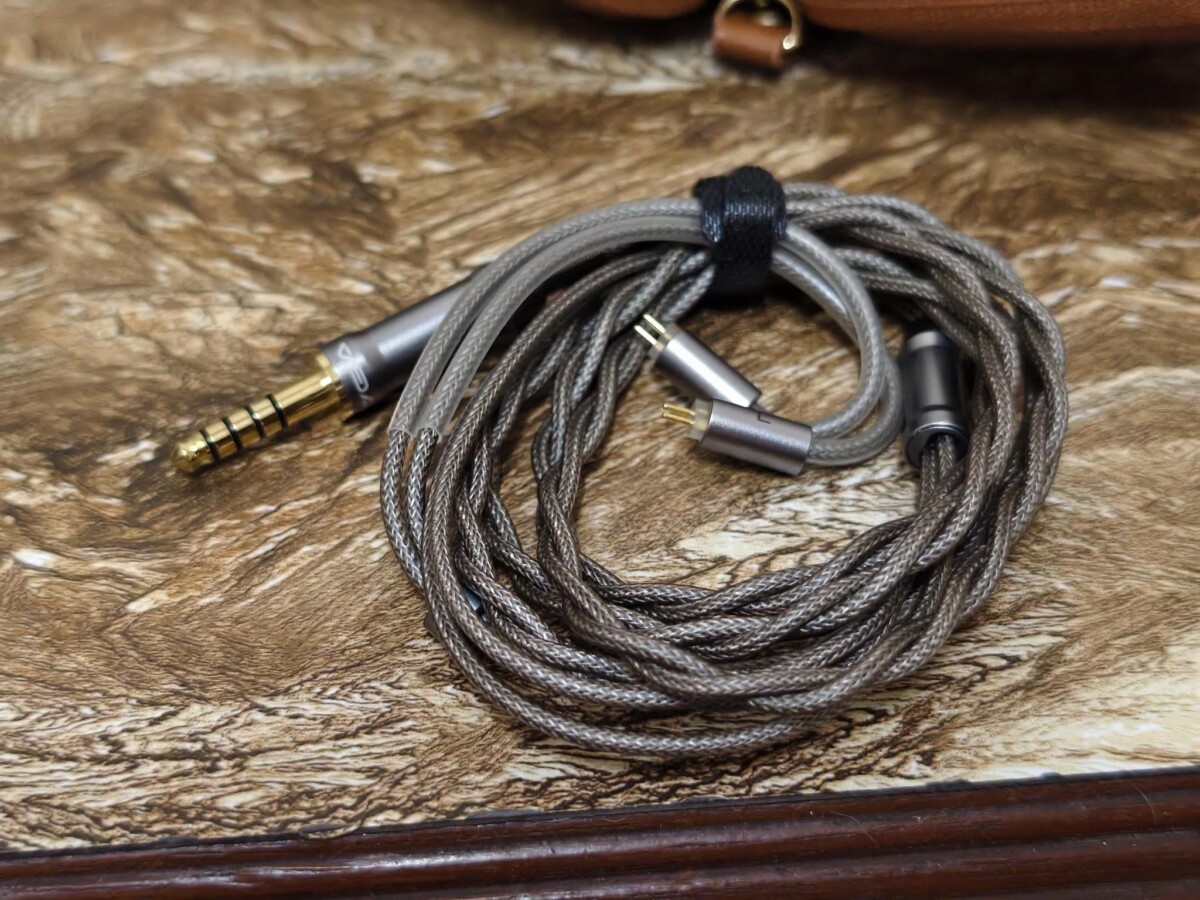
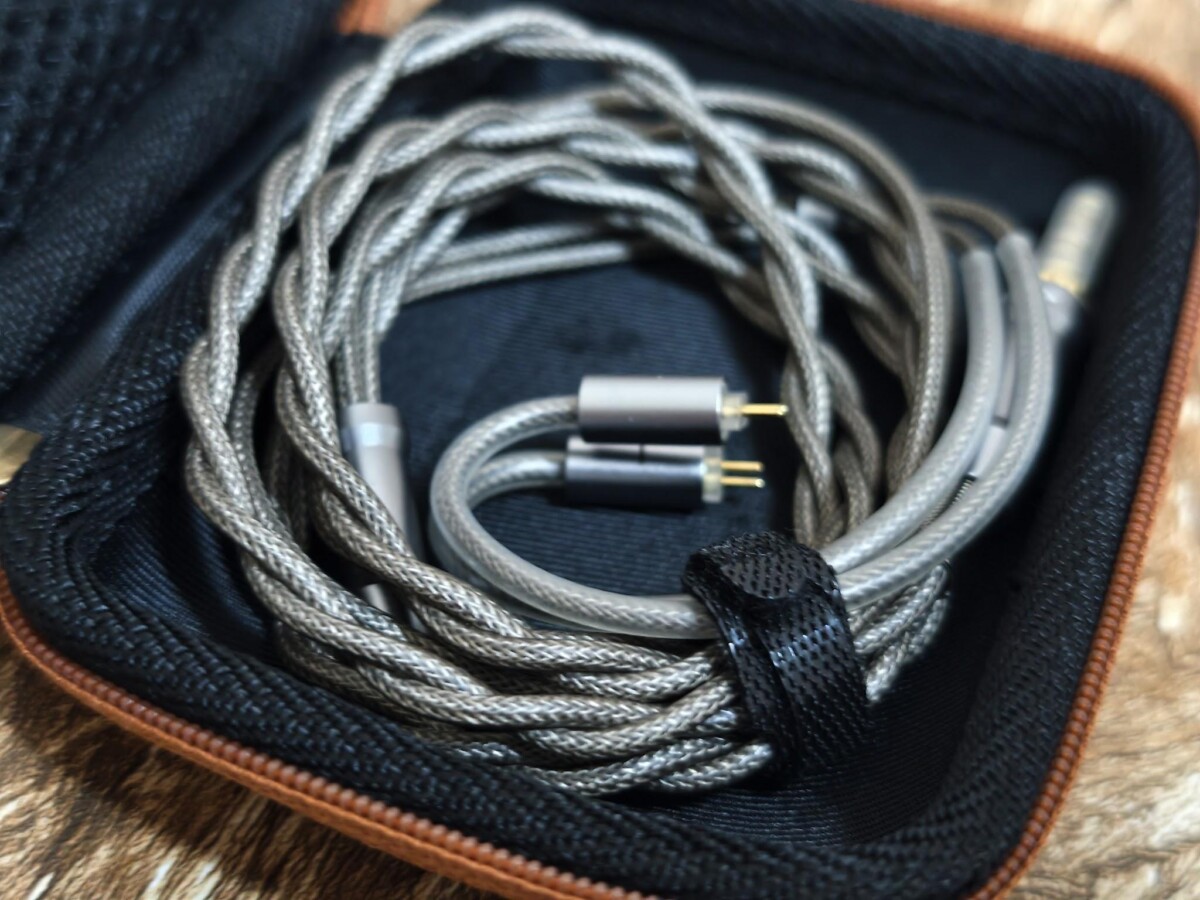
The cable included is a high quality 2 core silver plated OCC cable in a coaxial build. The cable is slightly stiff but they are pliable and great for everyday use. The quality here is commendable as they sound great and built with metal parts and the earphone plugs have a metal spring reliever which is unique to Sivga products. Currently there is only 4.4mm balanced cable available.
Gears Used for Comparisons
Questyle M15
Qudelix T71
EPZ TP35
FiiO BTR7
7HZ Artemis39
Hidizs S8 Pro Robin
Ziigaat Horizon
Ziigaat Crescent
Hidizs MP145 Pro
Simgot SuperMix 5
Kiwi Ears Astral
Tigerism Dark Magician Revised
TinHifi T6
Songs list
Eric Clapton – Cocaine
Celine Dion – Power Of Love
M. Nasir – Mentera Semerah Padi
Awie – Trajedi Oktober
Trance Classic & Susanne Teutenberg – You Still The One
No Doubt – Don’t Speak
Limp Bizkit – Nookie
Michael Jackson – Billie Jean
Lorna Shore – Unbreakable
Kitaro – Caravansary
Tone and Presentation
The presentation of the Lyrebird is a neutral sound that excels in their clarity and details across the whole spectrum giving a highly technical sound. These are an accurate sounding IEM that can be passed as a studio monitor for their accuracy and naturalness. They are a bright tone IEM that puts some emphasis on the higher region with a piercy, yet controlled piezoelectric driver high range. Dynamic range here is exceptionally wide with their lows and highs extended well that gives an airy overall sound. Musicalities here are decent but they do lean more towards a clinical, sterile sound but never too polite or safe sounding.
Soundstage
The soundstage here is expansive with a good width and height, very competent in this price range. They possess a 3D holographic spatial soundstage that is pinpoint accurate which makes them a good IEM for gaming and movies as the sound placements are clear and accurate but may lack immersion for movies. They are an open sounding IEM with clean sound that produces sound in a diffused field style that projects sound around creating a large sized headroom with a good amount of air. Overall, they are an airy and wide IEM that wouldn’t sound boxy by any means.
Separation and Timbre
Separation here is superb with a wide dynamic range that gives a wide stereo sound with no crosstalk issues that is able to scale up better with balanced connectivity. Cohesion here is decent and the drivers do blend rather well in tandem but there is some minor gap from the midrange towards the higher region. Timbre here is piercy, punchy and breathy, possessing great energy in the high range. They do at times sound a little thin on the midrange but the overall accuracy here is on point. There is a tinge of metallic timbre present but they are acceptable as they are very minor.
Drivability
Rated at 14 ohms with a 108 db sensitivity, they are easily driven by any source in terms of having adequate volume but they do need some power to perform to their best and they certainly do scale relatively well with high quality output source that gives better refinements such as body, depth and musicalities. The Lyrebird does not pick up noise easily for their lower sensitivity making them a good pair of IEM for casual usage. Source matching is highly recommended with warm, thick sources but with some bright source will actually make the highs a little too piercing for my taste. The Lyrebird is a revealing set of IEM and they are able to show some flaws in the recording, so a good mastered track or higher bitrates files will actually give a little cleaner overall sound.
The Bass (Low)
The bass is a neutral flat bass with a mild focus on the sub-bass that is accurate and natural but it does lack authority with some bass driven tracks. Details and clarity here are superb with great layering that presents the bass in a well textured style. The mid-bass here is flat and they do lack power here but they are natural and it doesn’t interfere and put focus on the other frequencies. The bass here is free of any bloat and bleed is technically not present which contributes to their overall cleanliness and clarity. The resolution here is great as they have a vivid bass and transparency here is superb as they sound accurate and natural. Sub-bass does sound a touch bigger than the mid-bass and they add depth in the overall bass with a decent rumble that gives some immersion in the bass. These are certainly not for bassheads but match well for purists who want an unadulterated bass.
The Mids
The midrange delivers a mostly neutral, flat response with a slight forwardness and warmth that adds a touch of intimacy while preserving ample spatial cues and accurate directional imaging. Clarity is superb, offering a clean, crystal clear sound that is vividly resolving and entirely free of coloration. Macro and micro detail retrieval is outstanding, presenting subtle textures that are rarely captured at this price point. The midrange body is average, leaning towards being slightly thin and, though a little sterile, it strikes a fine balance between clinical precision with a touch of musicalities. A healthy upper-midrange peak brightens the Lyrebird’s overall signature, injecting lively energy and brilliant sparkle without crossing into harshness, although bordering one. Female vocals clearly benefit from that upper mid brilliance, gaining a sweeter, more vibrant edge, while male vocals remain clean but can lack depth and heft in deeper registers. High-staccato instruments like strings and flutes shine effortlessly, though drums and bass cede a small measure of depth, if only by a narrow margin.
The Highs
The high range here is the dominant part of the Lyrebird and they have a lively, energetic high range that is strong and refined without being overly aggressive and it is safe to say that Sivga has tame the infamous piercy piezoelectric driver. They are relatively neutral but have a boosted 10 KHz sound profile to them that transition well from the upper mids and they are extended with an airy high range. Although being strong here, there are no major peaks that cause fatigue, balancing in a fine line of bordering a sibilance. Details here are exceptional with an ability to show high range nuances clearly with a piercy timbre that is lively and breath. Sparkle here is great and with a superb crispness that is a treat to users who love a strong high range. Treble is a tad intense with a good amount of energy that has some kick to them that boost the overall clarity present in the lyrebird. Treble sensitive or users who are looking for a laid-back sound may find the treble here on the aggressive side but I find the treble here to be exciting and it punches well above their price range.
Comparisons
VS Simgot SuperMix 5 (199USD)
The recent release and the successor of the venerable SuperMix 4, the SuperMix 5 is a similar setup with the Lyrebird but with an addition of a bone conduction driver making a total of 5 different drivers. The sound here is fairly neutral with a smoother overall sound but can be a little too safe or polite.
- Lyrebird’s high presence is more evident with a piercing and energetic highs while the SuperMix 5 is smoother and more natural
- Overall details are better on the Lyrebird but with clarity on both are similar
- SuperMix 5 is a touch warmer and thicker with a more intimate mids
- Upper mids on Lyrebird has a bigger lift with better brilliance
- Vocals on SuperMix 5 has better depth while Lyrebird perform better on female vocals for the added brilliance
- Bass amount on both are similarly flat with similar amount of sub-bass but the SuperMix 5 has an airier low end
- Soundstage on the Lyrebird is wider and airier but only marginally
Vs BASN Bmaster X (139USD)
A triple hybrid from the rising star BASN, the Bmaster X is equipped with 1 dynamic driver, 3 balanced armatures and 2 piezoelectric drivers with a relatively friendly price. The overall sound here leans slightly towards a V shaped sound that has a strong bass with a piercy yet smooth high range.
- High range of both are smooth and inoffensive with an piercing timbre but the Lyrebird sounds more energetic with more extension and a tad more air
- Treble on the Bmaster X sounds more balanced and is smoother versus
- Bmaster X mids is warmer and more forward
- Both details and clarity are similar but the Lyrebird is more resolving and transparent
- Vocals sounds more intimate and lusher on Bmaster X while Lyrebird sounds more accurate
- The bass amount on Bmaster X is bigger and meatier with more sub-bass amount
- Soundstage on the Lyrebird is wider and taller while both has similar air
Synergy
Good pairing
FiiO BTR7, Qudelix T71, Questyle M15, 7HZ Artemis39, Hiby FC6, EPZ TP35, IFI Diablo, Hidizs S8 Pro
Not so good pairing
FiiO Q7, FiiO KA5, EPZ TP30
Who Is It For?
Suitable genres/usage: Acoustics, rock, pop, instrumentals.
Not suitable genres/usage: EDM, metal, ACG, hip-hop.
Suitable Usage: Monitoring, gaming, movies, bassheads, casual to critical listeners
Not suitable usage: Bassheads, treble sensitive users
Final words
To conclude, the Sivga Lyrebird is a remarkable first entry into the multi-driver IEM arena, delivering a level of technical resolution and clarity that punches well above its $149 price point. Its neutral-bright tuning, anchored by a natural bass and a brilliantly detailed, if occasionally piercing, treble, makes it a top-tier choice for purists, critical listeners, and gamers seeking pinpoint accuracy. However, this clinical precision and energetic highs mean it’s not for everyone, especially bassheads and those sensitive to treble will find it fatiguing, while its lean midrange may leave some craving warmth. Ultimately, the Lyrebird is a triumph of engineering and value for those who prioritize detail and transparency, but it’s a niche masterpiece that demands careful source pairing and a specific taste in sound.
4½ stars ⭐⭐⭐⭐½
Pros
- Premium stabilized wood faceplates with superb finishing
- Lightweight & ergonomic
- Superb separation, dynamic range, imaging, cohesive
- Neutral bright tuning with excellent technicalities
- Piercy yet smooth timbre that energetic
- Highly accurate, resolving and transparent
- Wide, tall and airy soundstage
- Superb clarity and details
- Linear, natural bass that is clean and clear
- Mildly lifted sub-bass with good depth
- Clean, clear and natural midrange
- Highly brilliant and lively upper mids
- Strong high range presence while able to sound smooth
- Natural, sparkly, crisp high range
- Slightly intense treble that boost clarity
- High quality accessories
- High performance vs value index
Cons
- Not for bassheads and treble sensitive users
- Can be fatiguing in high volume(nit-pick)
- Can be sibilant with bright sources
- Need some power to perform to their best (nit-pick
- Mid bordering being thin
- Long nozzles (nit-pick)